July 17, 2026
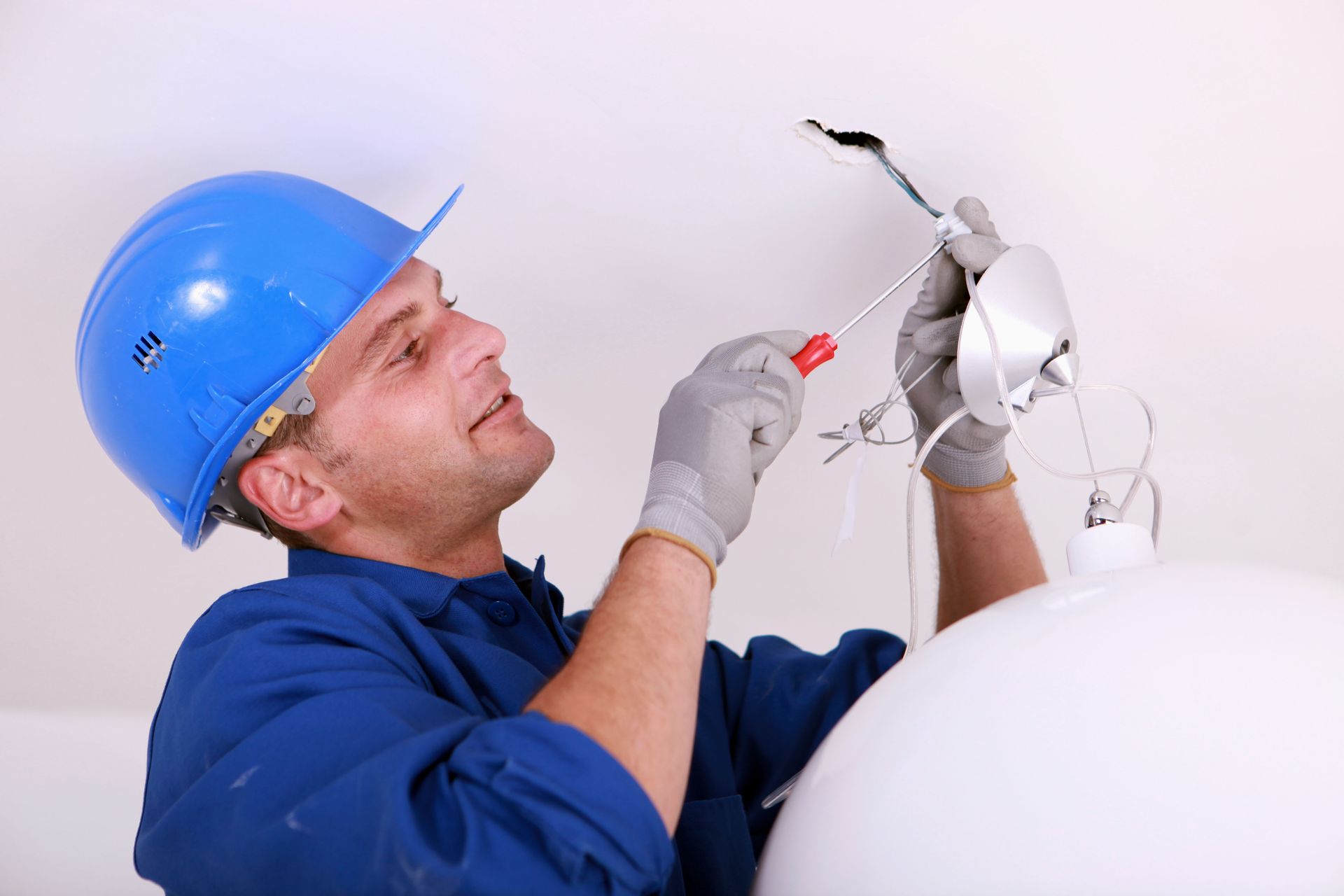
Understanding your home electrical system helps you keep your family safe while improving energy efficiency. Learning how the major components work together also makes it easier to recognize problems before they become expensive repairs. When issues arise, working with local electricians ensures your system is repaired safely and meets current electrical codes.
1. Main Components of a Home Electrical System
Service Entrance
The service entrance is where electricity enters your home from the utility company. It includes the electric meter and serves as the starting point for every circuit in your house. Regular inspections help identify damage or wear before it affects the rest of the electrical system.
Electrical Panel
The electrical panel distributes electricity throughout your home using individual circuit breakers. Every homeowner should know where the panel is located and understand how to reset a tripped breaker safely. If breakers trip repeatedly, contact local electricians to identify the underlying cause instead of simply resetting them.
Circuit Breakers
Circuit breakers automatically stop electrical flow when a circuit becomes overloaded or experiences a short circuit. This protection reduces the risk of damaged wiring and electrical fires. Clearly labeling each breaker also makes it easier to shut off power during repairs or emergencies.
Wiring, Outlets, and Switches
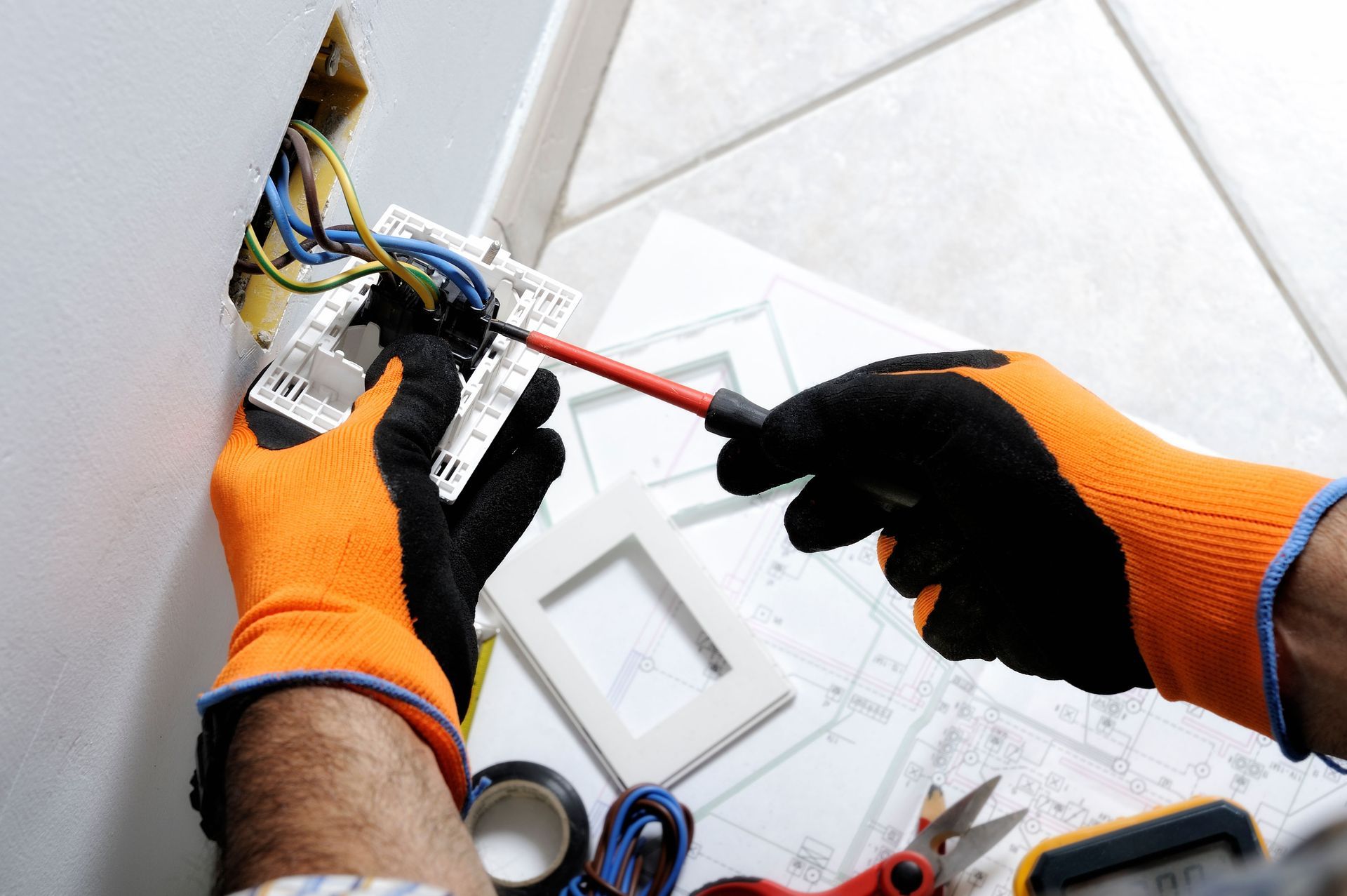
Your home's wiring delivers electricity from the panel to outlets, switches, lighting, and appliances. Damaged, aging, or outdated wiring can create serious fire hazards and should be inspected by qualified professionals. According to the Electrical Safety Foundation International, larger appliances such as water heaters, electric ranges, or clothes dryers require a 240-volt circuit.
2. How Electricity Works in Your Home
Voltage and Current
Voltage provides the pressure that moves electricity through your home's wiring, while current measures the amount of electricity flowing through the circuit. Most household outlets provide between 110 and 120 volts, while larger appliances require dedicated higher-voltage circuits.
Electrical Circuits
Electricity travels through individual circuits protected by breakers. Most residential systems use parallel circuits so one failed device does not shut down every outlet or light on the same level of the home. Properly balanced circuits reduce overloads and improve reliability.
Grounding and Load Management
Grounding creates a safe path for stray electricity, helping prevent electrical shock and equipment damage. Managing electrical loads is equally important because plugging too many high-powered devices into one circuit can lead to overheating, flickering lights, or breaker trips. Local electricians can evaluate your home's electrical demands if you notice these warning signs.
3. Common Electrical Problems
Frequent Breaker Trips
A breaker that trips often usually signals an overloaded circuit, damaged wiring, or a faulty appliance. Instead of repeatedly resetting the breaker, have the problem diagnosed before it worsens. Professional inspections can prevent larger electrical failures and improve safety.
Faulty Outlets and Switches
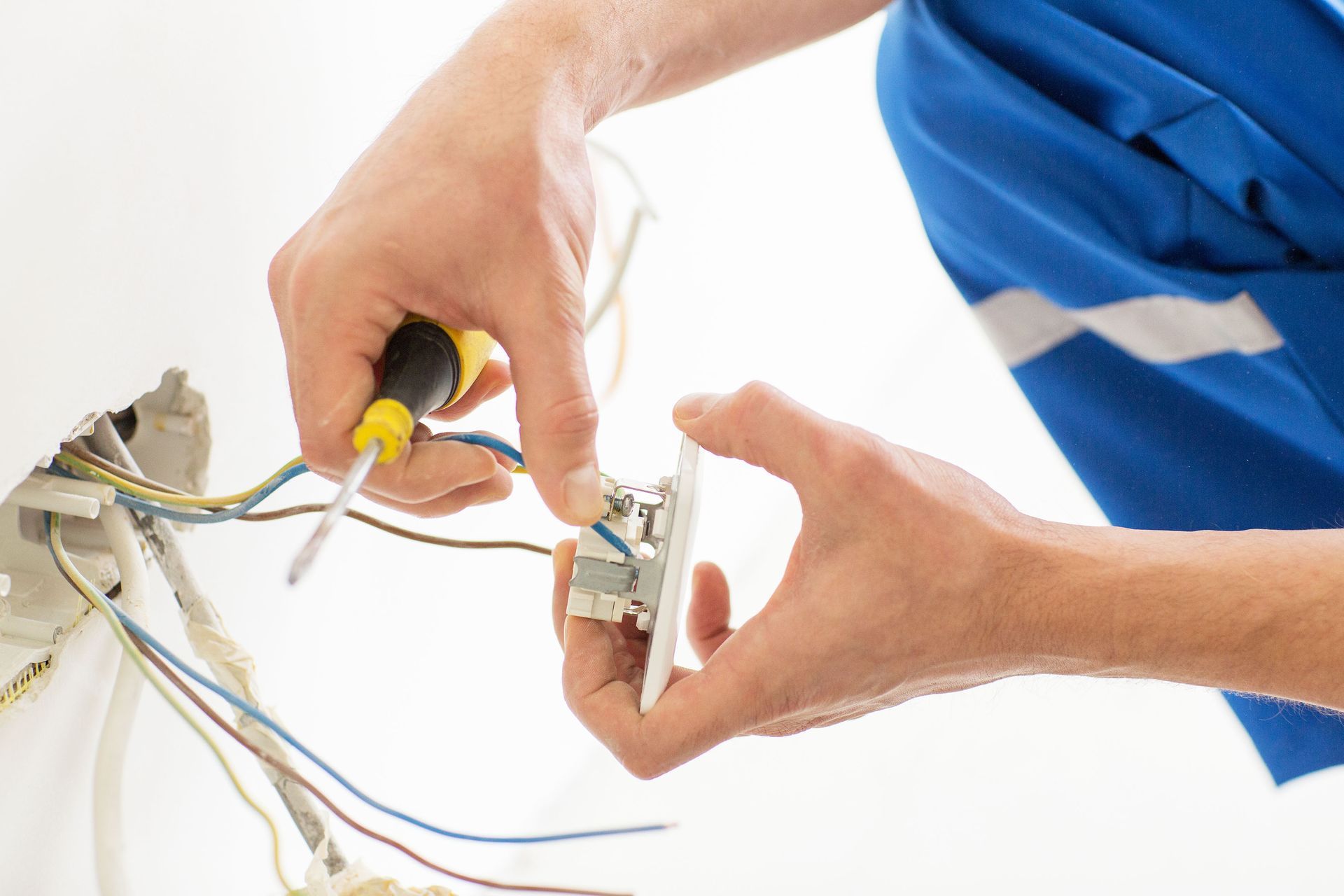
Warm, loose, buzzing, or discolored outlets should never be ignored. These symptoms often indicate loose wiring or damaged electrical components that require prompt repair. Replacing worn outlets early helps reduce the risk of electrical fires.
Power Surges and Flickering Lights
Power surges can damage electronics and shorten the life of appliances. Whole-home surge protection and quality surge protectors help reduce this risk. Flickering lights may also point to overloaded circuits, loose wiring, or voltage fluctuations that deserve professional evaluation.
Overloaded Circuits
Using too many appliances on one circuit can overload the wiring and repeatedly trip breakers. Avoid relying on extension cords as permanent solutions. If your home's electrical needs have increased, local electricians can install additional circuits to safely handle the demand.
4. Electrical Maintenance Tips
Perform Regular Visual Checks
Inspect cords, outlets, switches, and visible wiring for signs of damage several times each year. Look for frayed insulation, scorch marks, unusual odors, or warm electrical devices. Identifying small issues early can help prevent costly repairs later.
Schedule Professional Inspections
While homeowners can perform basic inspections, professional evaluations provide a much more thorough assessment. Local electricians can identify outdated wiring, grounding problems, overloaded panels, and other hidden issues before they become serious safety hazards.
Maintain Breakers and Wiring
Older homes may contain outdated wiring that no longer meets modern electrical demands. Replacing aging wiring and damaged breakers improves both safety and system performance. Keeping your electrical system updated also helps support today's larger number of electronics and appliances.
Test Ground Fault Circuit Interrupter Outlets
Ground Fault Circuit Interrupter outlets should be tested monthly using their built-in test and reset buttons. If a Ground Fault Circuit Interrupter does not operate correctly, replace it promptly to maintain protection in moisture-prone areas.
5. Improve Energy Efficiency
Use Efficient Appliances
Modern energy-efficient appliances consume less electricity while maintaining excellent performance. Replacing older equipment can lower monthly utility bills and reduce strain on your home's electrical system. Running large appliances during off-peak hours may also help lower energy costs in some areas.
Upgrade Lighting
Switching to LED lighting is one of the easiest ways to reduce electricity use. LEDs last much longer than traditional bulbs while producing the same level of brightness. Adding dimmers, timers, or occupancy sensors provides even greater savings.
Smart Home Technology
Smart thermostats, plugs, and energy monitors help homeowners better understand and manage electricity use. These devices automate energy savings while providing valuable information about household consumption patterns.
Improve Insulation and Consider Solar
Proper insulation reduces heating and cooling demands, making your entire home more energy efficient. Homeowners interested in long-term savings may also benefit from solar panels, which reduce reliance on the electrical grid and can increase property value.
6. Electrical Safety Best Practices
Know the Basics
Every homeowner should know where the main electrical panel is located and how to turn off power during an emergency. Recognizing warning signs such as burning smells, sparks, or buzzing sounds allows problems to be addressed before they become dangerous.
Identify Hazards Early
Frayed cords, overloaded outlets, and outdated wiring are common household hazards that should be corrected quickly. Avoid using extension cords as permanent wiring, and never ignore outlets or switches that feel warm during normal use.
Prepare for Emergencies
Keep flashlights, fresh batteries, and emergency supplies available for power outages. Unplug sensitive electronics during severe storms to help prevent damage from power surges when electricity is restored.
Protect Children and Practice Safe DIY
Install tamper-resistant outlets or outlet covers to reduce the risk of accidental electrical shock. Simple projects like replacing light bulbs are generally safe, but complex electrical work should always be handled by local electricians to ensure safe installation and code compliance.
Keeping records of past electrical inspections, repairs, and upgrades can also make future maintenance easier. Documentation helps homeowners track recurring issues, plan improvements, and provide valuable information to local electricians when diagnosing problems. Staying proactive with maintenance reduces unexpected breakdowns and helps ensure your home's electrical system remains reliable, efficient, and safe throughout the year.
Understanding your home's electrical system helps you recognize potential hazards, improve efficiency, and make informed maintenance decisions. Regular inspections, timely repairs, and help from local electricians keep your electrical system operating safely for years to come. Whether you're upgrading wiring, installing new appliances, or troubleshooting recurring issues, investing in professional electrical services protects both your home and your family. For more information from local electricians, contact Hauck Electric & Controls, Inc. Our team is ready to answer your questions and concerns today!